YALLF Alumni Spotlight: David Kipchirchir Koech (YALLF 2021)
October 5, 2026 | 10 mins
YALLF Alumni Spotlight Interview
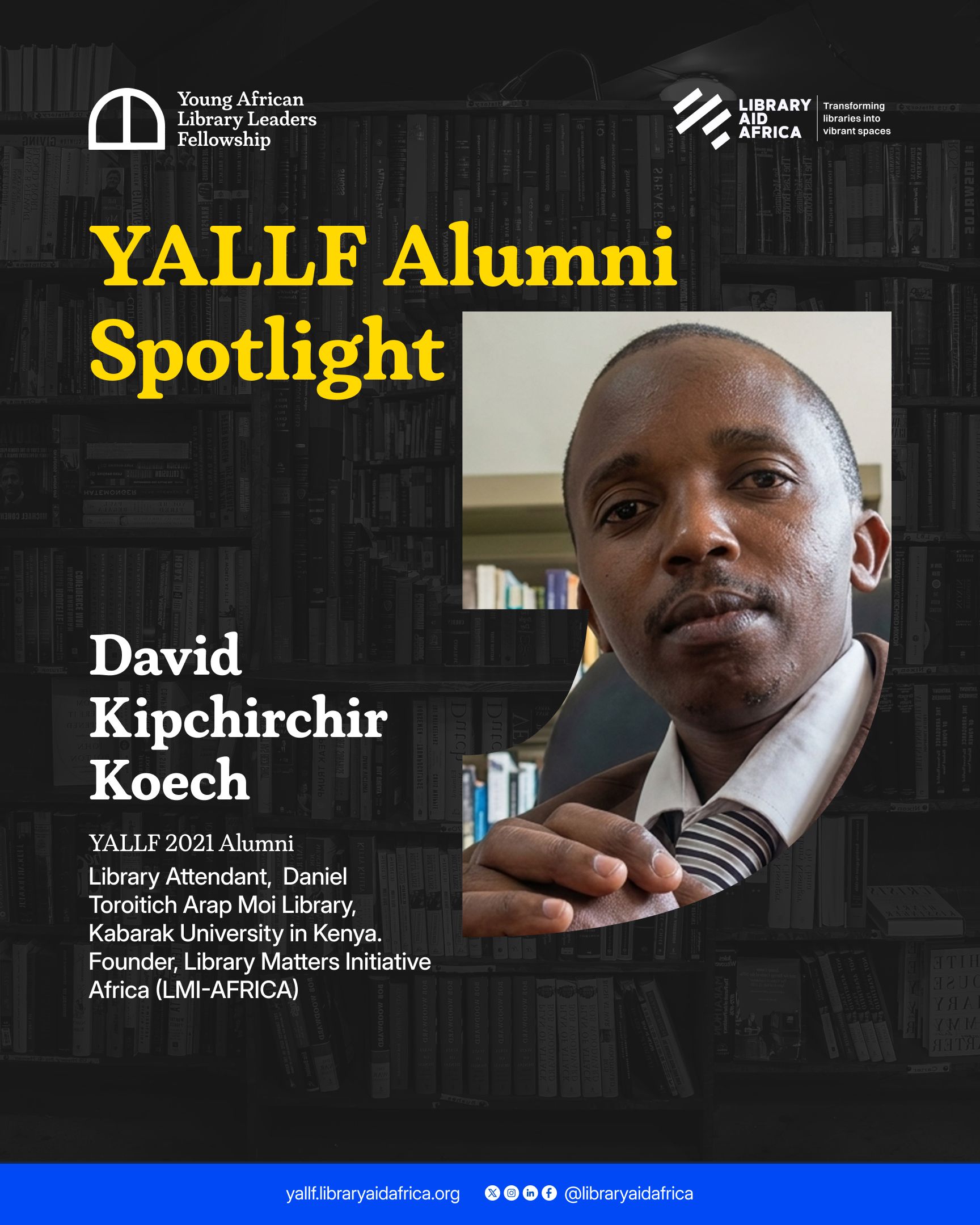
David Kipchirchir Koech (YALLF 2021)
Founder, Library Matters Initiative Africa (LMI-Africa)
Library Attendant, Daniel Toroitich Arap Moi Library, Kabarak University, Kenya
“What matters most is identifying a real problem that people are facing and responding to it with simple, practical action.”
David Kipchirchir Koech reflects on his professional journey in librarianship in our YALLF Alumni Spotlight.
Please introduce yourself, your name, your library and the people you serve.
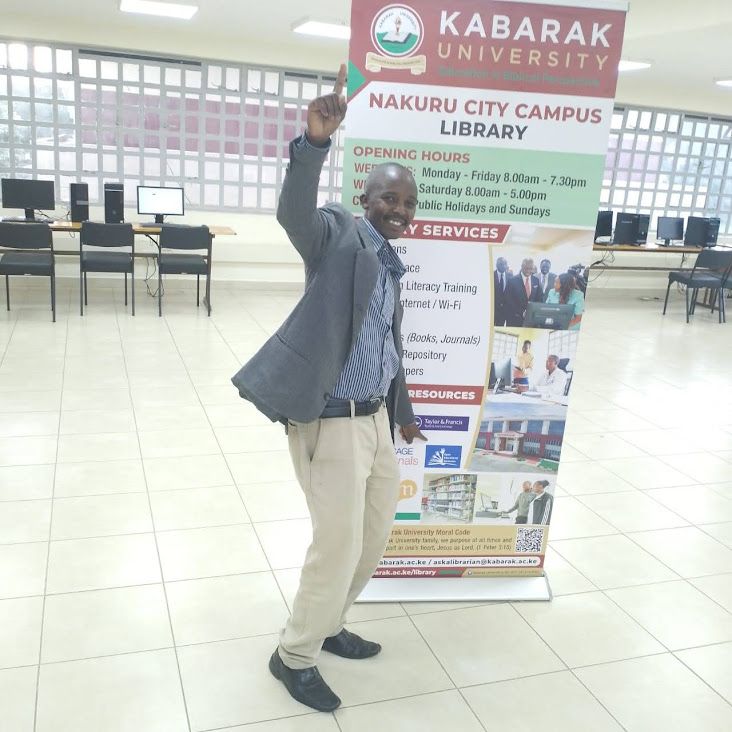
My name is David Kipchirchir Koech, a Library & Information Specialist focused on transforming library systems, improving digital skills, and promoting access to knowledge through research and information management. I am the founder of Library Matters Initiative Africa (LMI-AFRICA) and work as a Library Attendant at the Daniel Toroitich Arap Moi Library, Kabarak University, in Kenya.
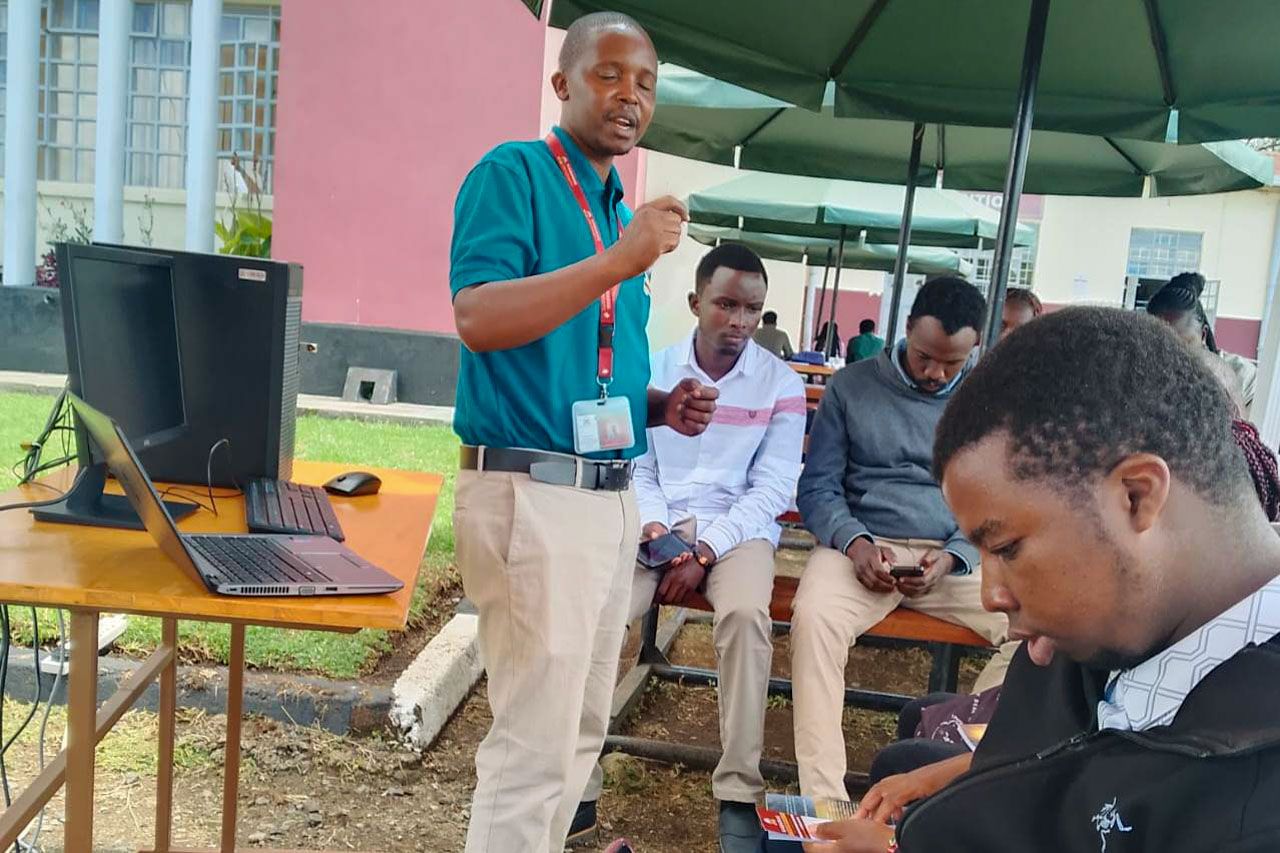
I support students, lecturers, researchers, and staff by helping them access information resources, guiding them in locating materials, and assisting in daily library services. My goal is to create a welcoming and supportive environment where users can easily access knowledge for learning, teaching, and research.
How did YALLF influence the way you see your role?
The Young African Library Leaders Fellowship helped shape my understanding of what it means to be a librarian. The fellowship strengthened my leadership skills and encouraged me to actively promote Open Access, Open Educational Resources (OER), information literacy, and inclusive access to knowledge.
It helped me realize that librarians have a responsibility to empower communities, support lifelong learning, and contribute to sustainable development goals through innovative library services and partnerships.
YALLF also expanded my professional network across Africa, allowing me to learn from fellow library leaders and exchange ideas on how libraries can remain relevant in a rapidly changing digital world. As a result, I now see my role as not only serving library users but also advocating for equitable access to information, building community partnerships, and creating opportunities for learning and development.
This experience continues to guide my work as a librarian, founder of Library Matters Initiative Africa (LMI-AFRICA), open access advocate, and promoter of knowledge sharing across Africa.
Tell us about the project or programme you are currently running in your library. What is it called, and what does it do?
My project under the Library Matters Initiative Africa (LMI-AFRICA) is called ‘Library Workshops and Training in Harnessing Technology, Advocacy and Access to Information'.
This programme is designed to strengthen how library users and communities interact with information by building practical skills and promoting better access to knowledge resources. It focuses on improving digital literacy, user engagement, and inclusive access to information within the library and the wider community.
Key activities include:
- Library user engagement programme: Encouraging active use of library services and resources.
- Information accessibility initiatives: Making it easier for users to find and use both print and digital materials.
- Sign language training: Promoting inclusion for users with hearing impairments.
- Basic computer skills training: Equipping users with essential digital skills for learning and daily use.
What problem or challenge in your community did you see that led you to start this project?
One of the moments that led to this project was during the COVID-19 pandemic. When schools and libraries closed, many people had trouble studying and doing research. It was hard for them to get the information they needed. Many learners were unsure about how to keep learning from home.
I knew I had to do something, so I set up learning sessions. These sessions helped fill the gap and supported people during a time. The goal was to make it easier for them to learn remotely, and I wanted to help bridge the information gap. They helped users keep learning despite the challenges.
These online lessons focused on practical skills such as accessing information effectively, avoiding plagiarism in academic work, building a professional online presence, developing effective search strategies, and correctly referencing and attributing sources. Users were also trained on how to use digital networks for learning and research.
Through these sessions, learners, researchers, educators, and library users gained both skills and confidence to navigate the digital information space. What started as a response to a crisis turned into a strong opportunity to empower communities with lifelong information literacy skills and to show the important role libraries play beyond physical buildings.
Walk us through what happens. How does someone experience this project from start to finish?
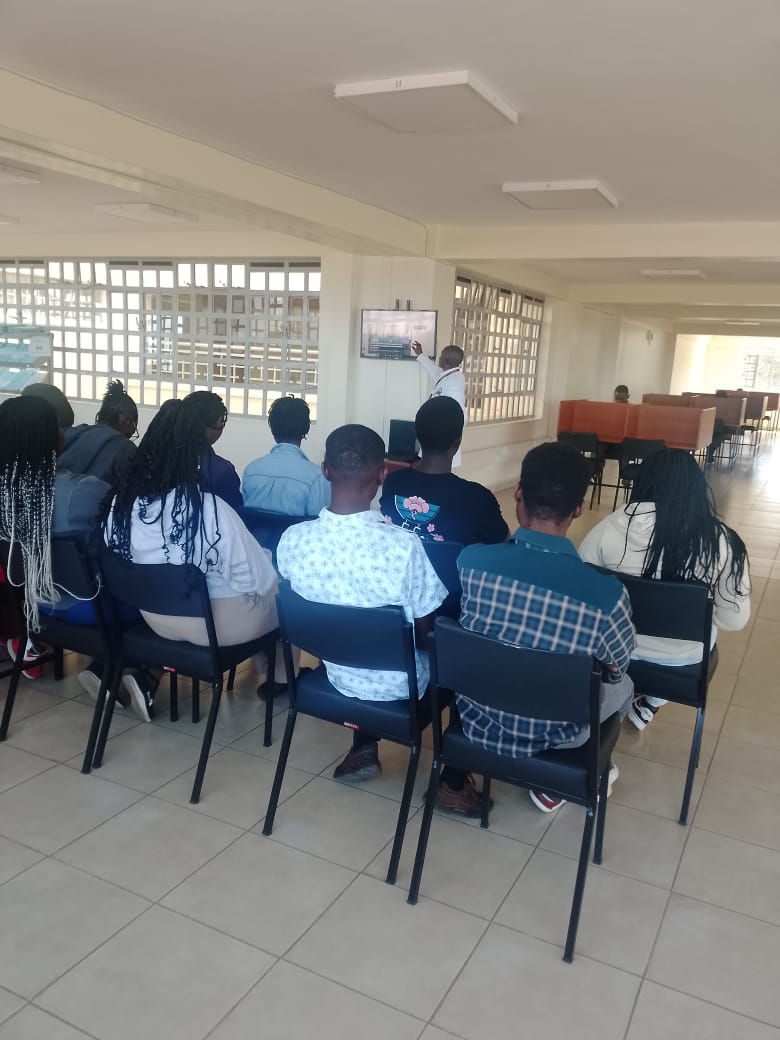
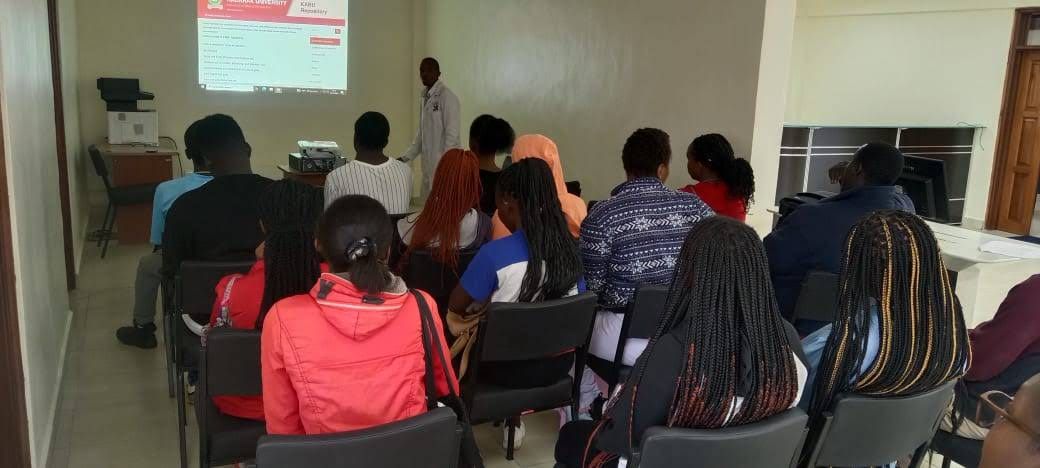
The experience in this project begins with information literacy training, where users are introduced to practical skills on how to access and use information effectively. They are guided on how to search for books and digital resources in the library, how to identify relevant and reliable sources, how to avoid plagiarism, and how to properly reference information in their academic work. The training is hands-on, allowing users to practise searching for materials and applying what they learn in real situations. The goal is to help them become confident and independent in using information for learning and research.
For Open Access and Open Educational Resources (OER), a key part of the user journey in this programme is guided access to a curated list of resources shared through the Library Matters Initiative Africa (LMI-AFRICA) blog.
Users are introduced to the idea of open access, where scholarly research, journal articles, and academic materials are freely available without cost barriers. They are also guided on Open Educational Resources (OER), which include free textbooks, lecture notes, videos, and other learning materials that can be reused, adapted, and shared for learning and teaching.
To make this practical, users are directed to a curated collection of trusted open access and OER links published on the LMI-AFRICA blog. This curated list brings together reliable platforms and repositories that support learning, such as open textbooks, academic databases, and institutional resources. It acts as a simple guide that helps students and researchers know exactly where to find quality, free learning materials without confusion or wasted time.
Through this curated list, users learn not only where to access information but also how Open Access and OER support equal learning opportunities, reduce cost barriers, and strengthen independent study and research skills.
Who are the people at the heart of this project? Who do you serve, and why do they matter to you personally?
At the heart of this project are students, lecturers, researchers, and library users at Daniel Toroitich Arap Moi Library, Kabarak University, as well as a wider audience across Africa, through the work of Library Matters Initiative Africa (LMI-AFRICA).
They represent different learning journeys and information needs. Some are students building their academic foundation, others are researchers and lecturers creating and sharing knowledge. Many are learners across Africa who need better access to information and digital skills.
They matter to me personally because they face limited access to information, gaps in digital skills, and barriers to inclusion. Supporting them is not just about library service delivery but about empowering people to succeed in education, research, and everyday life.
Serving both the university community and users across Africa through LMI-AFRICA makes the work more meaningful because it helps bridge information gaps, promote Open Access and OER, and ensure that knowledge reaches everyone who needs it, regardless of location or background.
Can you share a specific story of someone whose life or situation changed because of this project?
A great example of impact is Pamela Bulugu. She used the Open Educational Resources for TVET content on the Library Matters Initiative Africa (LMI-AFRICA) blog. She found learning materials that helped her understand some topics. She said, 'These resources were important for academic studies. '
The Library Matters Initiative Africa platform has also seen a lot of people getting involved online with open access and open educational resources. People are using the collections of resources more, and they are sharing them with others for schoolwork. This shows that people are starting to like the idea of sharing knowledge and making it available to everyone.
What has surprised you most, either about the project itself or about the people it serves?
What has really surprised me is how this work I do has become much bigger than I thought it would be. It has made an impact, and people are recognizing it at different levels.
I feel very happy that the International Federation of Library Associations and Institutions (IFLA) has given me an honour. This shows me that the work I do with libraries in my community can be part of talks with professionals from around the world. The Librarian Spotlight Africa also wrote about me, which made me feel good because it showed that it is important to make information available to everyone, for free to share resources with everyone and to make sure libraries are welcoming to all people.
I also got a chance when I received a full scholarship to study Open Librarianship at the University of Minnesota, Center for Open Education Network. This really helped me learn more about open education and how libraries work around the world.
I was also interviewed by Mario Coffa from Insula Europea, Perugia, Italy. They even published my story. We talked about open access, digital storytelling, technology, and sustainable development goals for libraries. This was a way for me to share my work with people all over the world, and it gave me a much bigger platform for open librarianship.
In Ethiopia, through INFOLIBNET, I was given the opportunity to join the Operational Team of the 21st Century INFOLIBNET and I currently serve as a Distinguished Advisory Member. This role has allowed me to contribute to regional collaboration, innovation, and library development initiatives across Africa.
Beyond formal recognition, what has truly surprised me is the response from users. Many people have shown strong interest in Open Access, OER, and digital learning when given the opportunity and support. It has reinforced my belief that when access is improved, communities are ready to learn, grow, and transform.
What would you say to a young librarian who wants to start something similar in their own community?
I would tell a young librarian that they should start with what is already in their hands and their immediate community. You do not need perfect resources or a big platform at the beginning. What matters most is identifying a real problem that people are facing and responding to it with simple, practical action.
Is there anything else you would like the world to know about your library, your project, or your community?
I would like the world to understand that open education is a powerful way to make learning fair and accessible for everyone. Through Library Matters Initiative Africa (LMI-AFRICA), I have seen how Open Access and Open Educational Resources give students and researchers free access to textbooks, journals, and learning materials, removing barriers like cost and limited availability. When users are guided through information literacy and curated OER resources, they not only access information but also learn how to use, share, and create knowledge with confidence. My message is simple: embracing open education can empower learners everywhere, regardless of their background or location, to fully reach their potential.